The American Research Center in Egypt, Northern California chapter, and the UC Berkeley Department of Middle Eastern Languages and Cultures (MELC) invite you to attend a lecture by Dr. Jonathan (Jonny) Russell, Brown University: Medicalized technologies: ingredient patterns in ancient Egyptian therapeutic recipes as informants on food processing diversity Friday October 23, 2026, 4 PM Pacific Daylight Time Note the time and day change!! MELC Lounge/Rm 254 Social Sciences Building (formerly Barrows Hall), UC Berkeley This is a hybrid lecture, both in-person and virtual (Zoom). The lecture will not be recorded. MELC is not requiring registration, so to attend this lecture, click on the following join link at the time of the lecture: https://berkeley.zoom.us/j/2071243853?pwd=1dq3SwaoPnJCLGwKQs1sbTLG4Nobd0.1 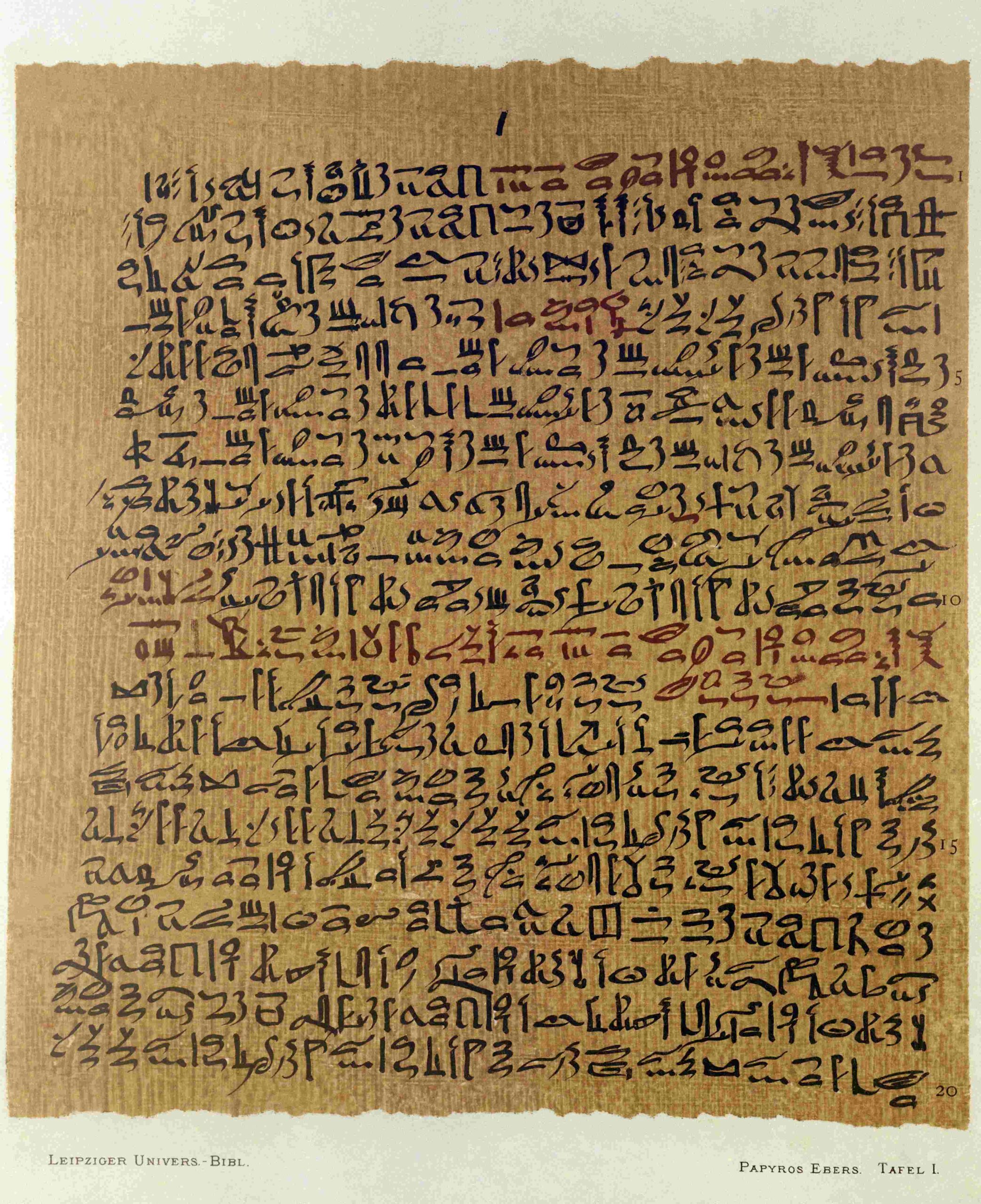 Plate I from Papyros Ebers (Leipzig, 1875), edited by Georg Ebers. Original artifact preserved at the Leipzig University Library. Image courtesy of Wikimedia Commons: https://commons.wikimedia.org/wiki/File:G._Ebers_(ed.),_Papyros_Ebers,_1875_Wellcome_L0016592.jpg About the Lecture: Much has been written on ancient Egyptian food processing technologies, especially in the domains of brewing and baking (for which Samuel 2000 remains a valued survey). Certain aspects of these technologies, such as the varieties of yeast cultures used, remain somewhat elusive. Others, such as milk processing, have received little to no attention. These lacunae are, in many cases, the result of the kinds of source material commonly consulted to elucidate ancient processes – tomb depictions and archaeological remains being chief among them. Notably, medical texts list a wealth of food or food-adjacent products as ingredients in medicinal recipes but have been less appreciated in understanding food processing. The many constellations of ingredients are, after all, notoriously challenging if not impossible to translate, and modern analyses are often mired by a compulsion to identify pharmacological activity as the primary motivation for their initial selection. This lecture takes a fresh look at these problems. It will first explore a sample of representative manuscripts, such as Papyrus Hearst (in Berkeley!), Ebers, and a demotic manuscript in Vienna: all of which are compilations of recipes, or “recipe compendia”. It will then examine the social and ritual contexts of the recipes recorded in these manuscripts, to better understand both by and for whom the recipes were used. Following a careful analysis of recipe data, the new hypothesis that many entries can be considered “medicalized” receptions of known processing technologies will be presented and explored. Focusing on recipes that manipulate brewing and cheese processing as case studies, the lecture will demonstrate how aspects of these processes are “fossilized” in various ways within medicalized recipes. In addition to offering new insights into healing practices, the presented results suggest more significant variety in food processing than presently assumed. 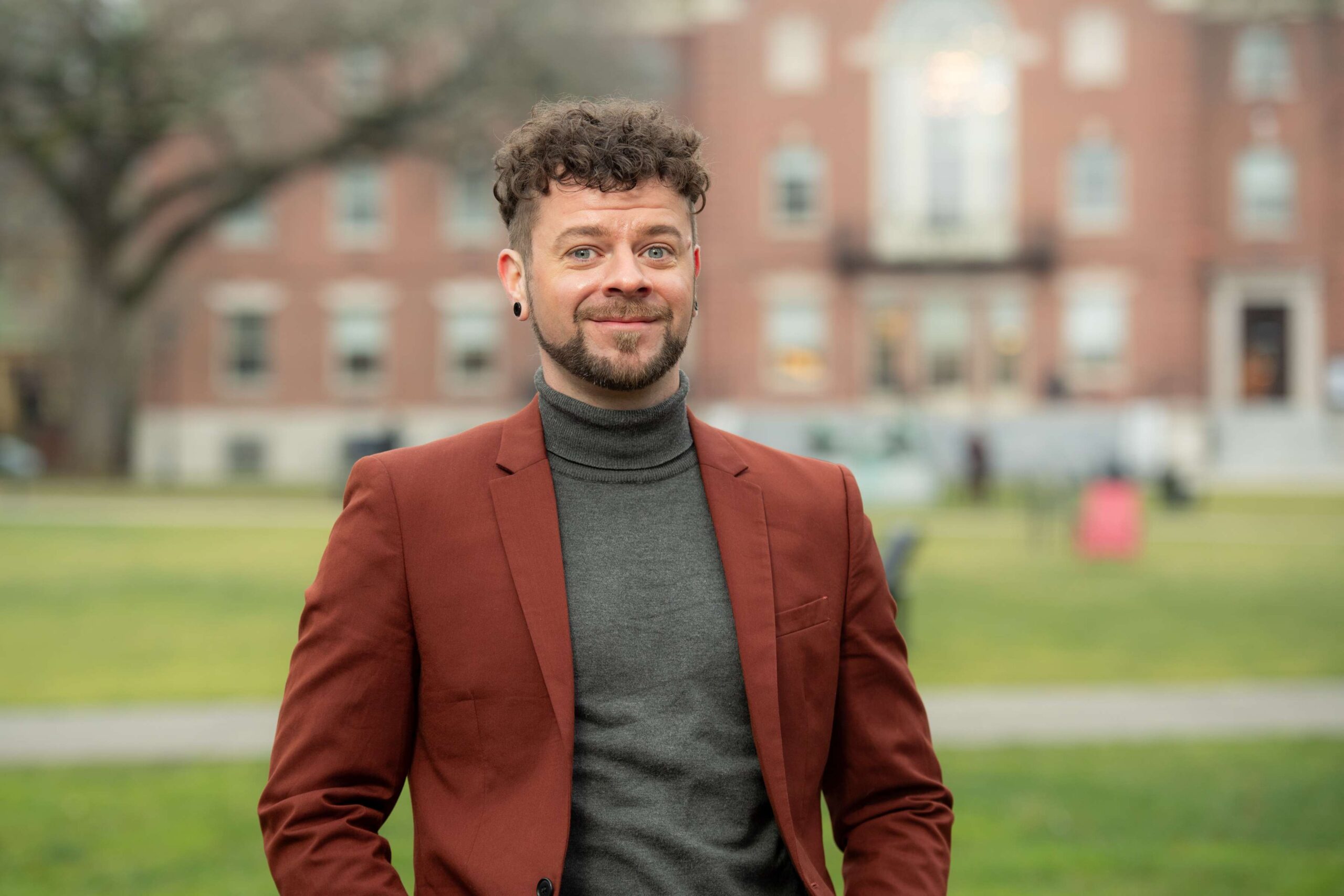 About the Speaker: Since 2024, Jonathan (Jonny) Russell has been assistant professor of Egyptology at Brown University, where he teaches classes in ancient Egyptian history, Middle and Late Egyptian, hieratic, and demotic, as well as in Egyptian and Mesopotamian medicine and magic. Armed with a knowledge of Akkadian, his research explores the similarities and differences in contents and social contexts of healing manuscripts from Egypt and Mesopotamia, and how observations modify impressions of knowledge transmission across ancient communities in Northeast Africa and Western Asia. He is presently working on a monograph titled Variety and Versatility in Ancient Egyptian and Mesopotamian Specialist Healing: A Comparative Study, in addition to a new English-language anthology of therapeutic compendia from Middle Kingdom to Roman Period Egypt. Jonny submitted his PhD thesis to Leiden University (The Netherlands) in 2023 – a project which was funded by the Dutch Scientific Research Organisation (NWO) and titled: Towards a Historical Contextualisation of Ancient Egyptian Perspectives of the Inner Body, Sickness, and Healing. Before coming to Brown, he worked as a postdoctoral researcher at the Institute for the History of Pharmacy and Medicine at the Philipps-Universität Marburg (Germany), where he began exploring the intersections between food and therapeutic technologies. Visitor Parking: Keep in mind that restricted parking at UC Berkeley ends at 5 p.m. For Friday, October 23, 2026, here are the best visitor-parking options near UC Berkeley’s Social Sciences Building (formerly Barrows Hall): Lower Sproul Parking Garage, 2465 Bancroft Way; RSF Garage, 2299 Bancroft Way.More visitor parking information can be found at https://pt.berkeley.edu/visitor-parking. About Northern California ARCE: For more information, please visit https://www.facebook.com/NorthernCaliforniaARCE, https://arce-nc.org, https://www.youtube.com/@NorthernCaliforniaARCE, https://bsky.app/profile/khentiamentiu.bsky.social, and https://khentiamentiu.org. To join the chapter or renew your membership, please go to https://arce.org/membership/ and select “Berkeley, CA” as your chapter when you sign up. |
ARCE-NorCal
The Chapter Webpage for ARCE NorCal
,_Papyros_Ebers,_1875_Wellcome_L0016592.jpg)